

For riders across the Kanto plain and beyond, the wait is almost over! Mark your calendars for 6pm September 10th, as the gates to Fuji’s hill climbs and some of the areas highest accessible roads will swing open once again.
The three primary routes leading to Mount Fuji’s 5th stations – the Subaru Line, the Subashiri Line, and the Fuji Skyline – are set to welcome back vehicles after their closure during the peak climbing period when access is only possible by public bus and taxi. So, the panoramic vistas, throttle-ripping ascents, rubber-rounding hairpins, brake fluid boiling descents and much welcomed high-altitude crispy cool are soon to be on the touring card again. If you’ve ridden these three, you know they are a ‘gotta ride’ experience.
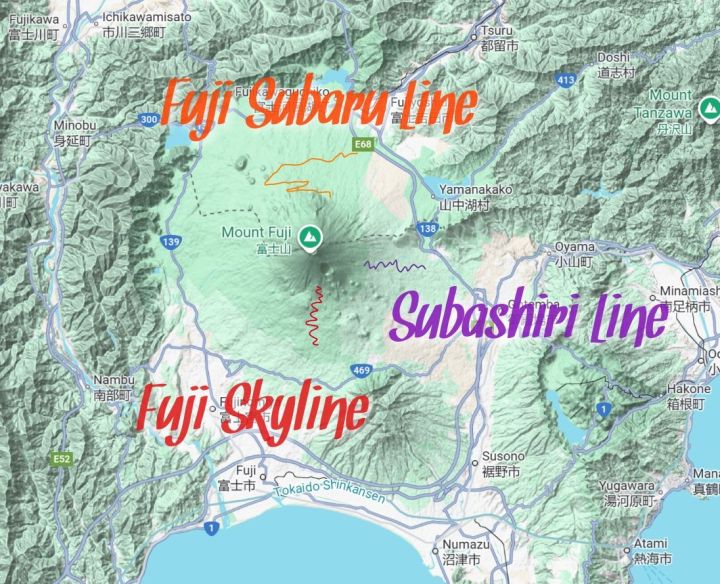
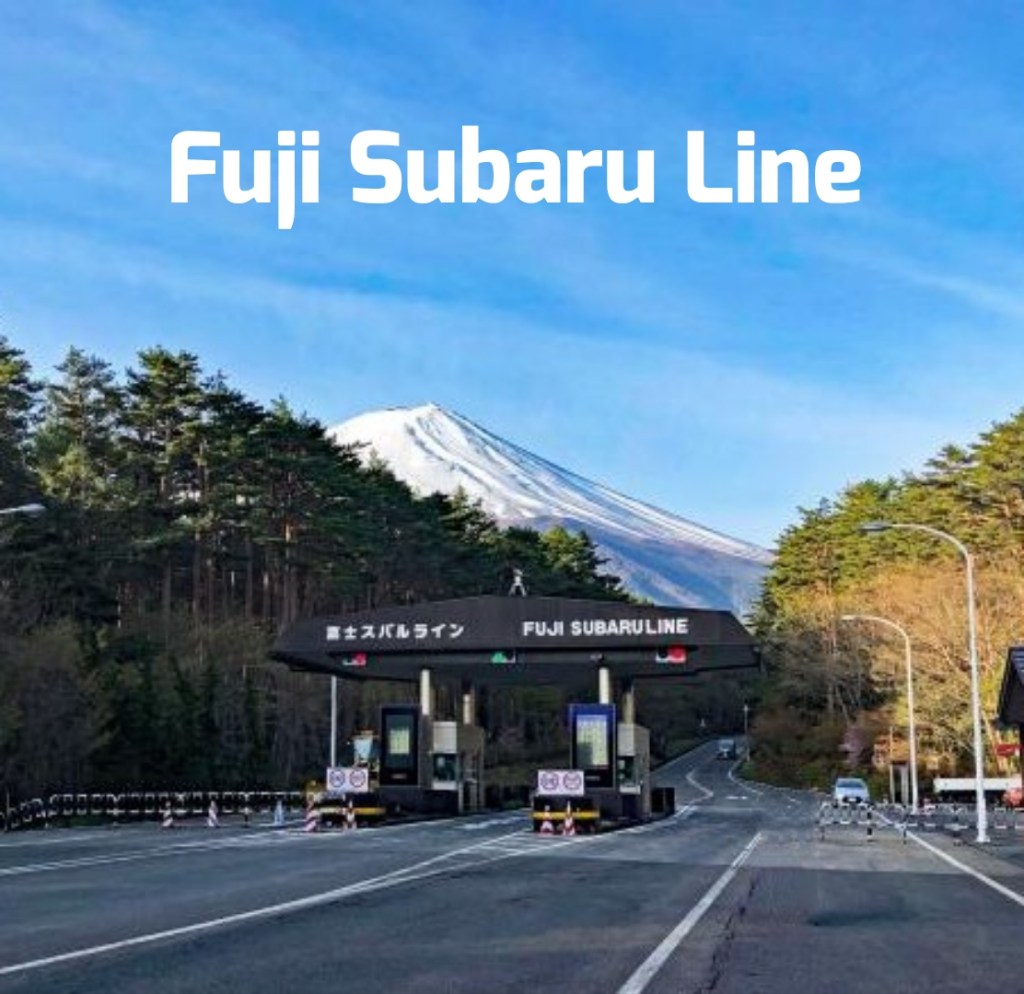
Each of the three routes offers a unique geographical and topographical experience. The Subaru Line, originating from the northern foothills in Yamanashi Prefecture, is perhaps the most well-known and is a 23km long wide open gradual ascent to the Fuji Subaru Line 5th Station at around 2,300 meters.
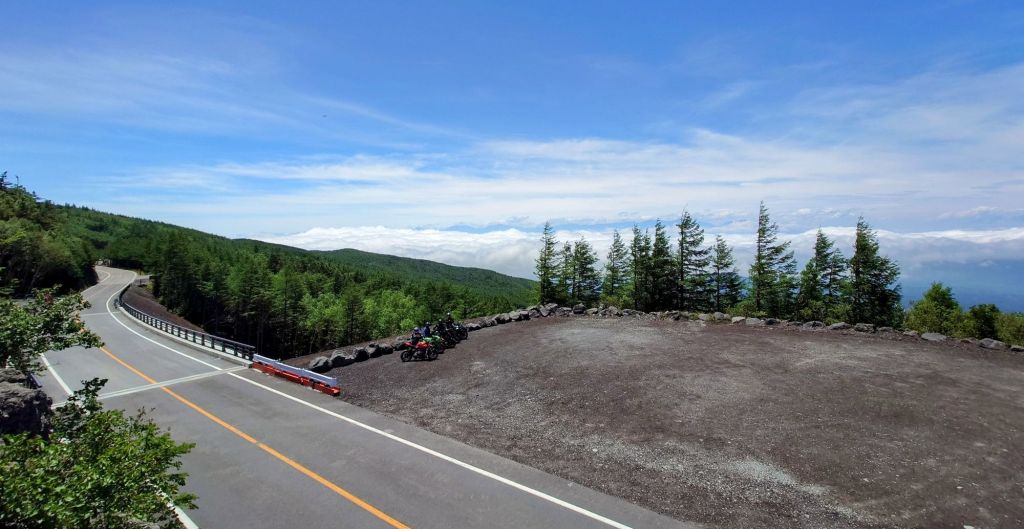
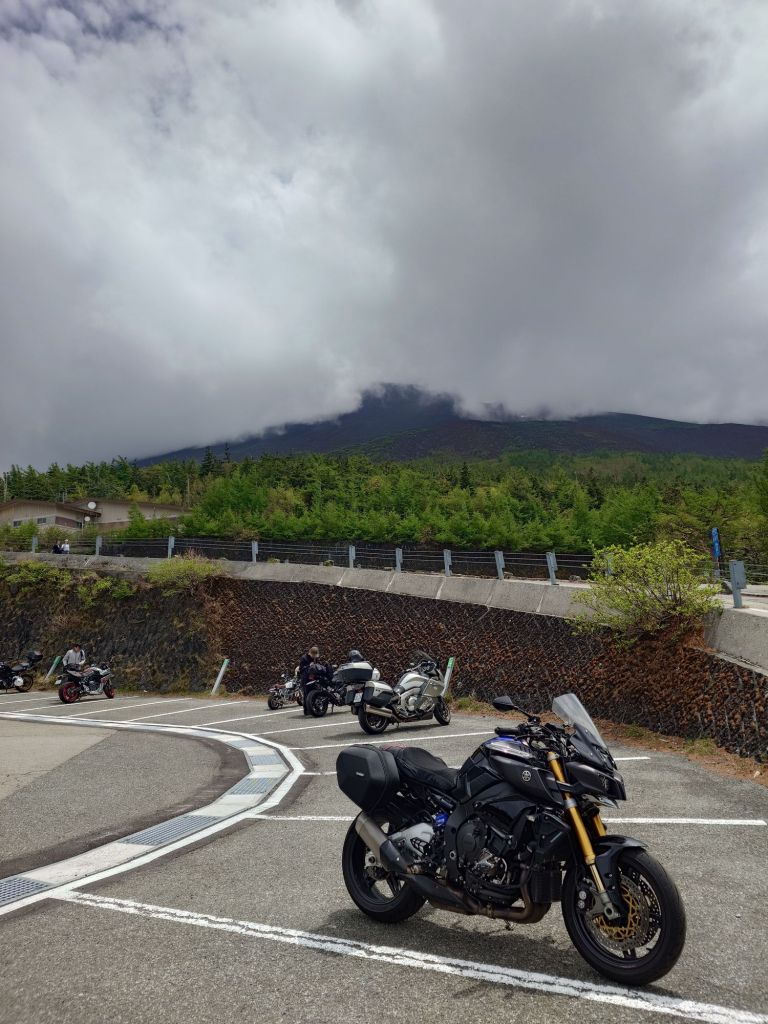
The Subashiri Line, starting from the eastern Shizuoka Prefecture side, provides a more challenging and entertaining 11km road to its 5th station at around 2,000 meters and is known for its lush green trees arcing overhead. Make sure to get to the top carpark for the highest point and the far end of the slightly lower 2nd carpark for the best photos.
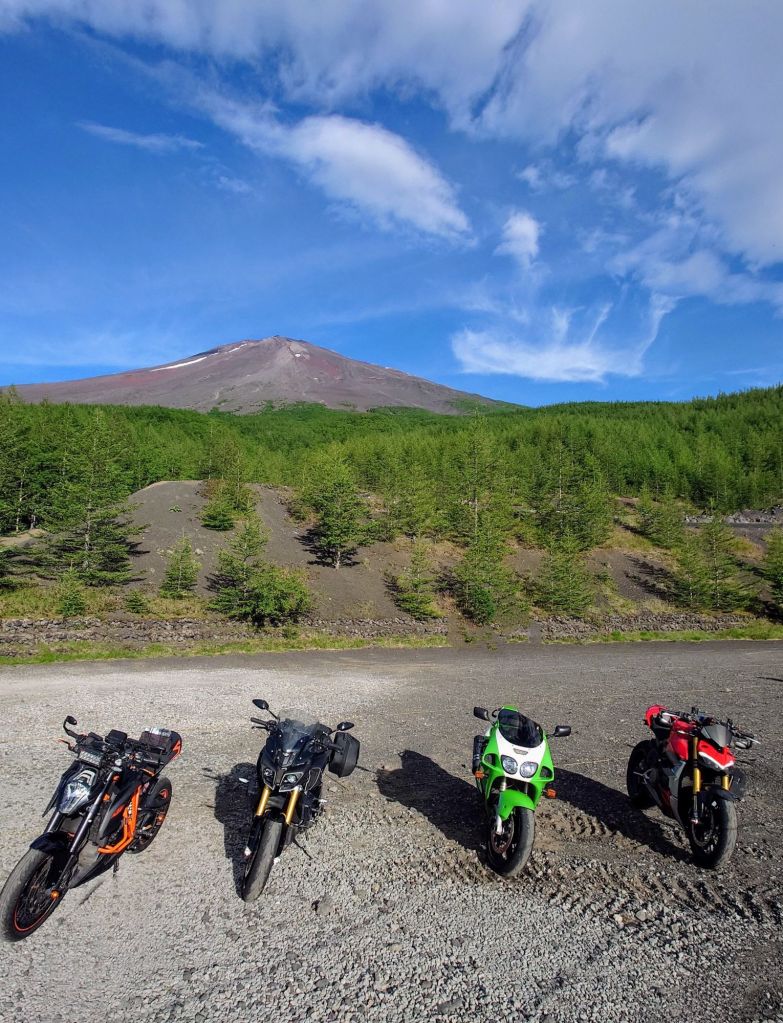
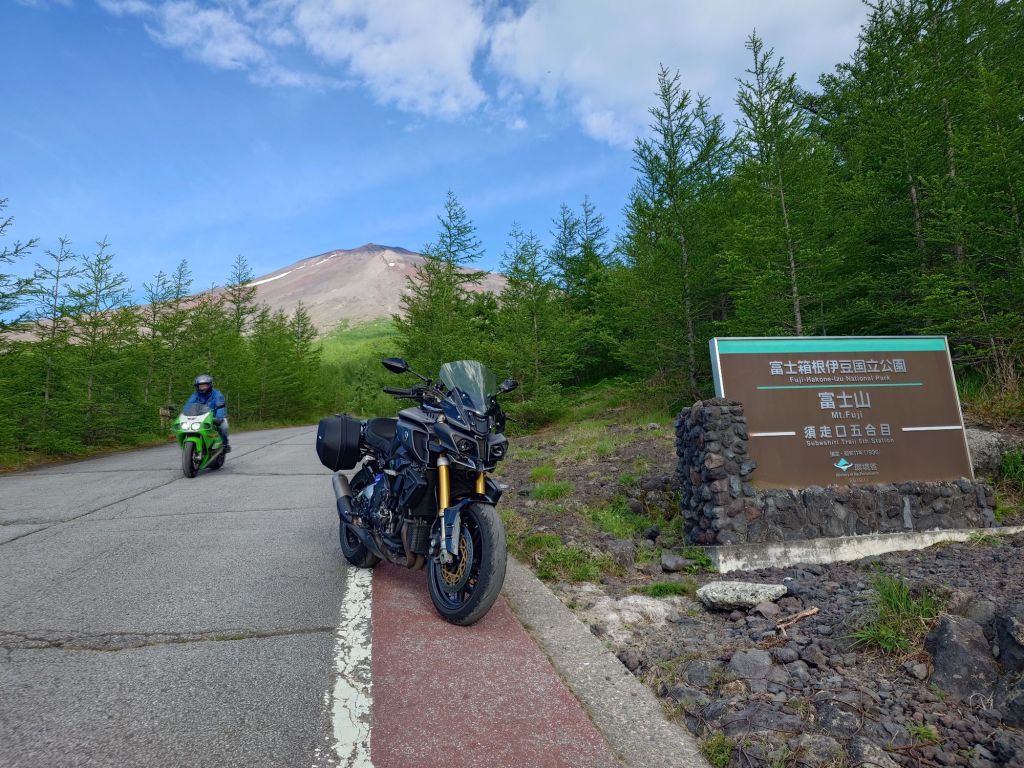
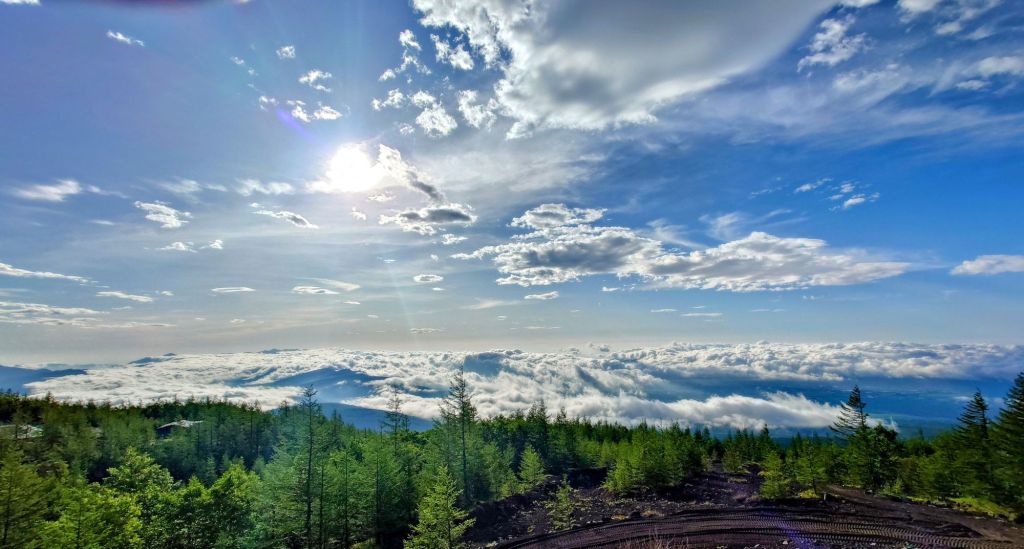
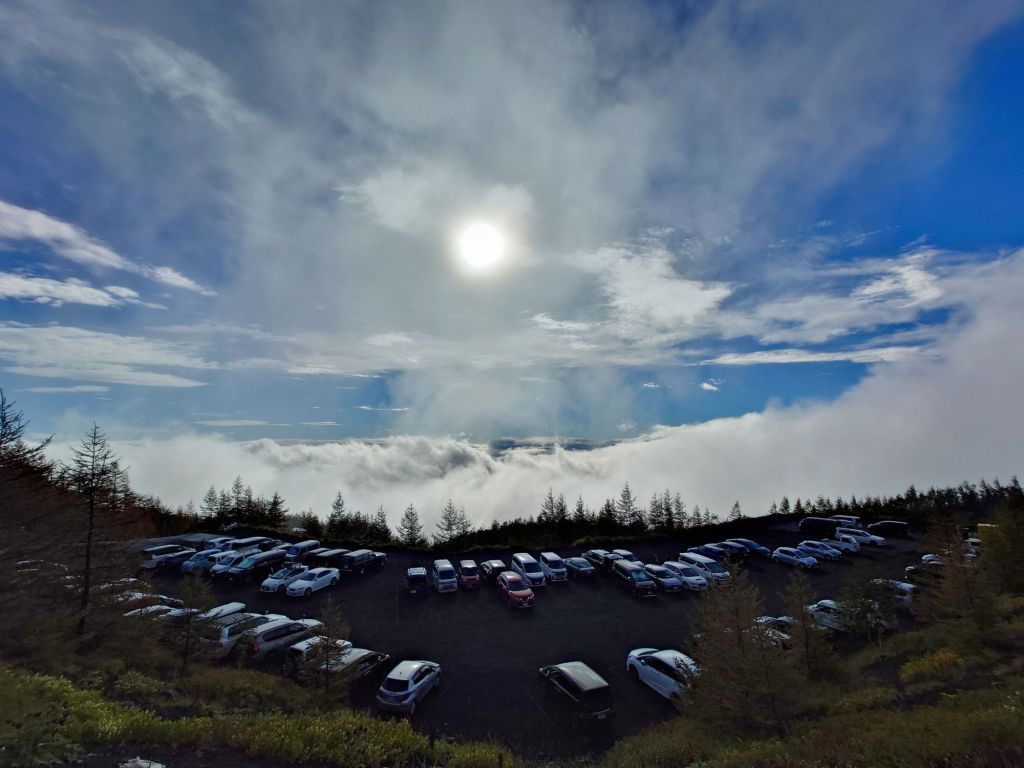
Finally, the Fuji Skyline traverses 19km of the southern slope of Fuji in Shizuoka Prefecture, offering a steep climb, the gnarliest weather, an often unpredictable surface and yet the most stunning views across the surrounding landscapes. These views may have you stopping and reaching for your camera at several spots along its twisty ascent. Just watch for traffic and be mindful not to boil your brakes on the long run down.
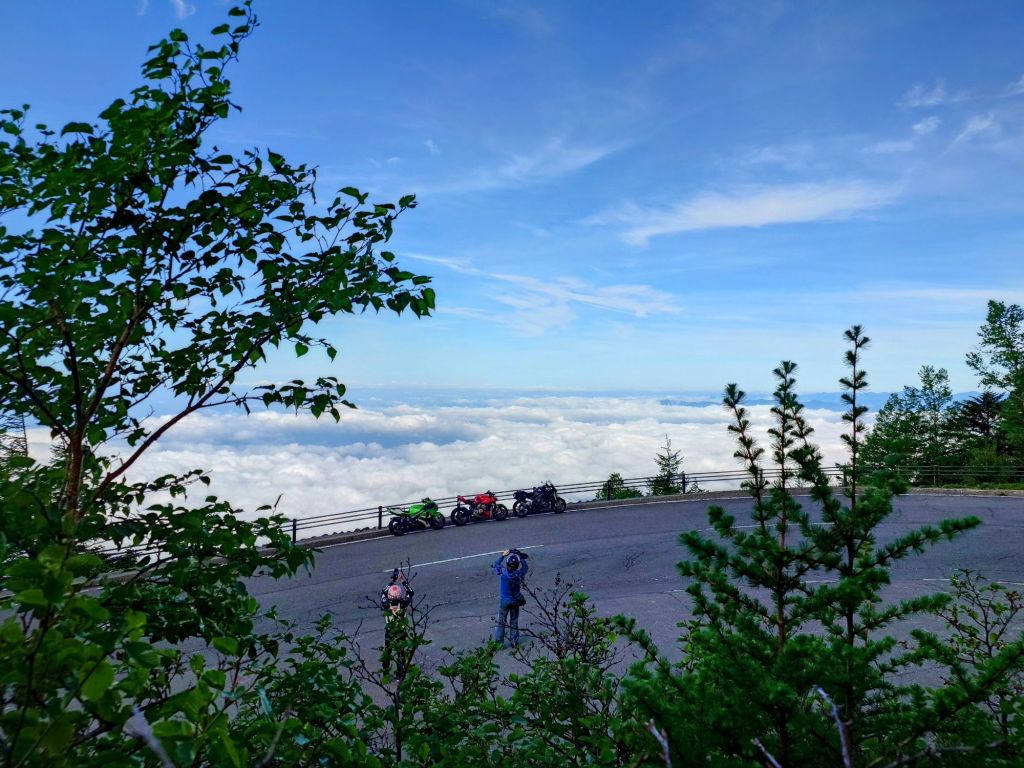

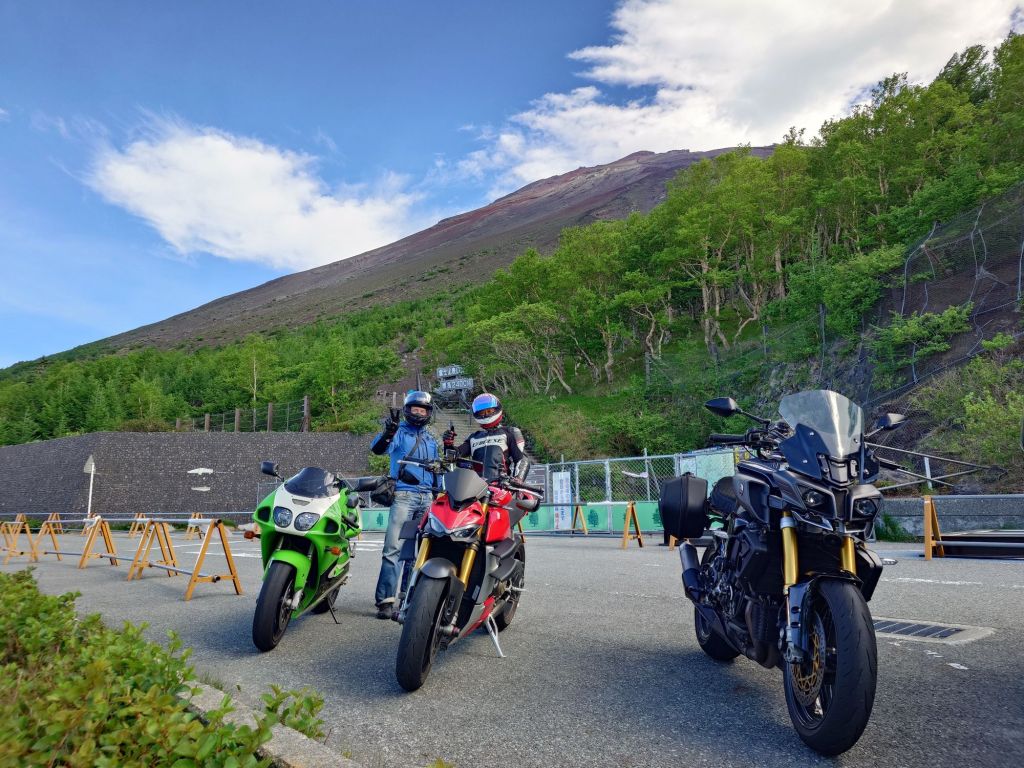
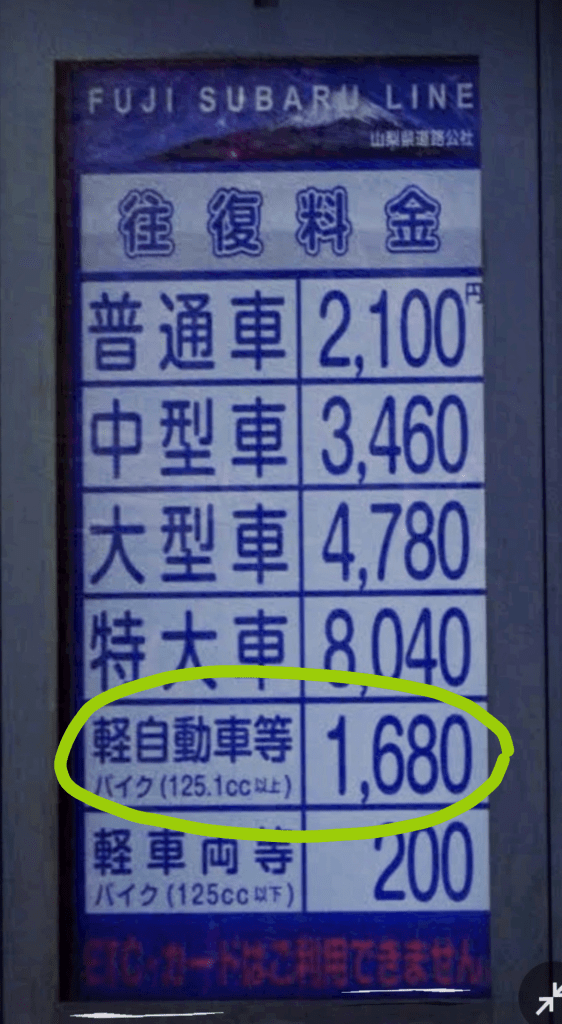
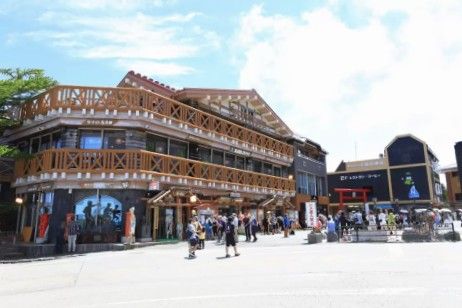
It’s worth mentioning not all these roads are free and for those planning to ascend via the Subaru Line, the current toll on motorbikes over 125cc is ¥1,700. If you are on the slow march up the mountain on a 125cc or less, at least you’ll only have to pay 200 yennies. The reward for paying tolls is a very well maintained road, various stopping points with views along the way and the best facilities of all the 5th stations. At the top, you’ll find ample parking, restaurants, souvenir shops, and restrooms. A hot meal at the top can be a much needed respite from the cold.
Along with all those facilities comes a lot of tourists, an often congestion rotary with plenty of stick waving parking guides at the top and many tour buses and cars to negotiate on your way up and down.
How much colder can it be up there? They say that with altitude the temperature drops 1°c for every 100m. I’ve found Fuji to be closer to 15°c for 2000m, but that’s not a constant and you ought to be prepared. It can seem a lot colder if wet, cloudy and/or windy.
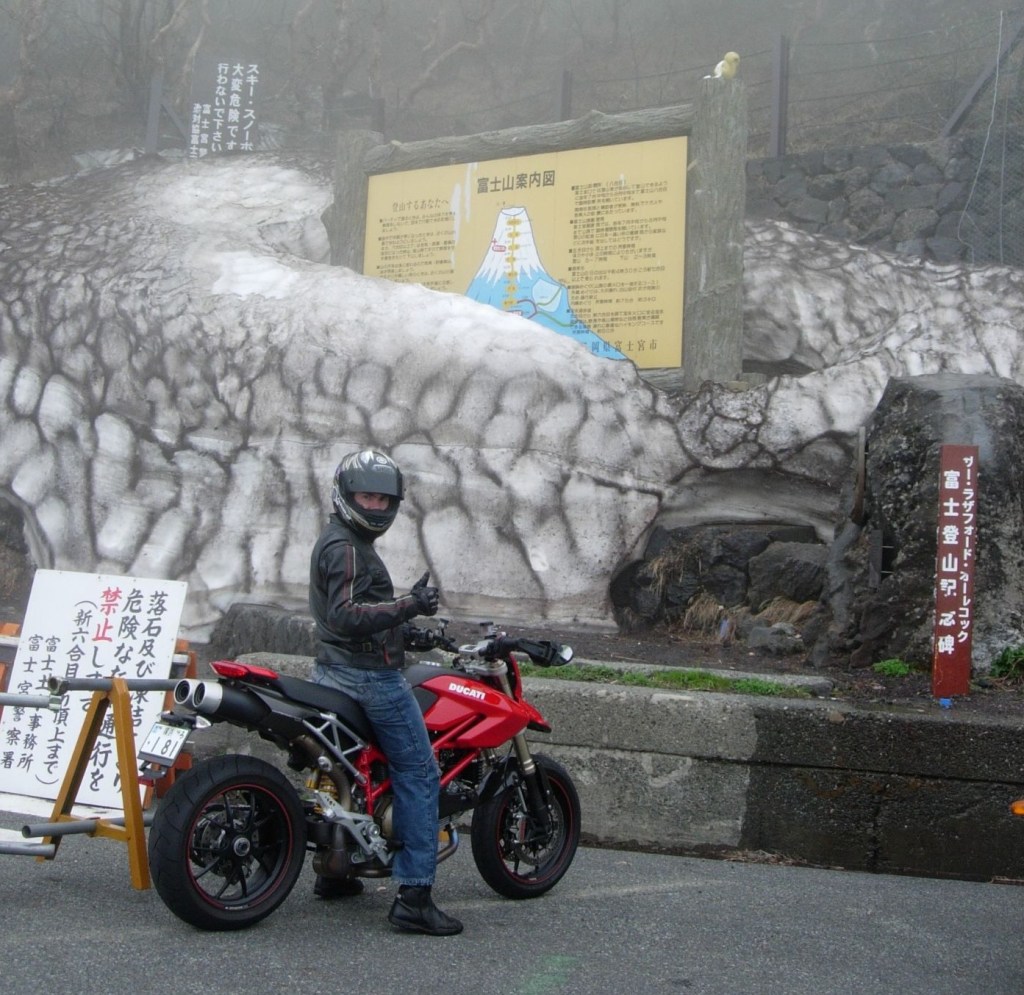
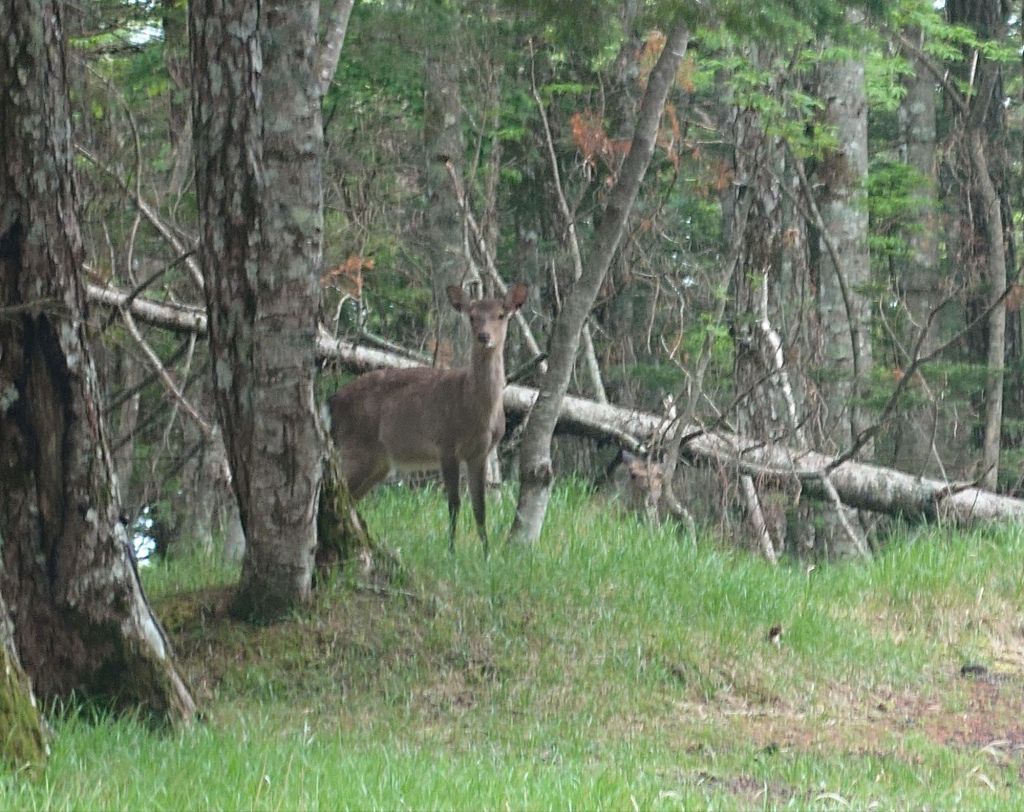
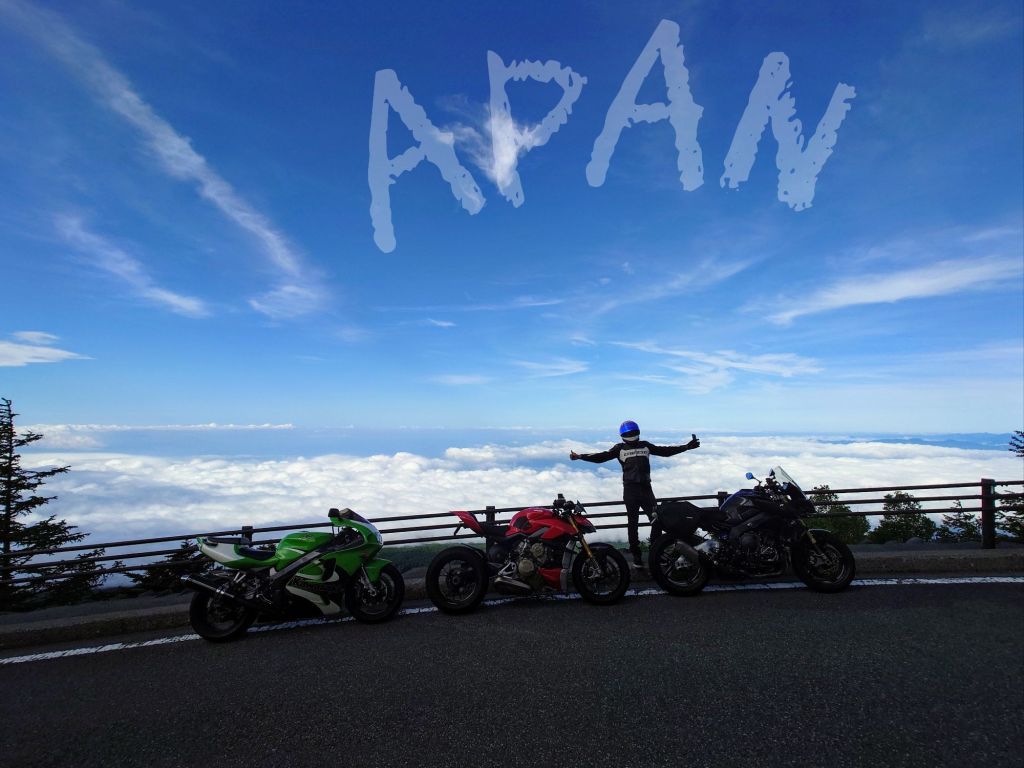
September 10th is just around the corner, and the promise of crisp mountain air and stunning views awaits. For the most dramatic vistas and pics, consider planning your ride for sunrise or sunset, when the light paints the landscape in breathtaking hues. However, remember to exercise extra caution around dawn and dusk, as wildlife may be more active near the roads. Also best look closely at the weather forecast and remember that it can be very different on one side of the mountain than the other and you’ll likely have to climb through fog, cloud or rain to reach the clear skies above.
Patience, fellow riders, the wait will be worth it! September 10 at 6pm, mark it in your calendars.
References
Official Web Site for Mt. Fuji Climbing https://share.google/pL40McxN9T1QkjrfW
Japan-guide.com https://share.google/3No5owsUEWQeEjtVw
 Touge Express